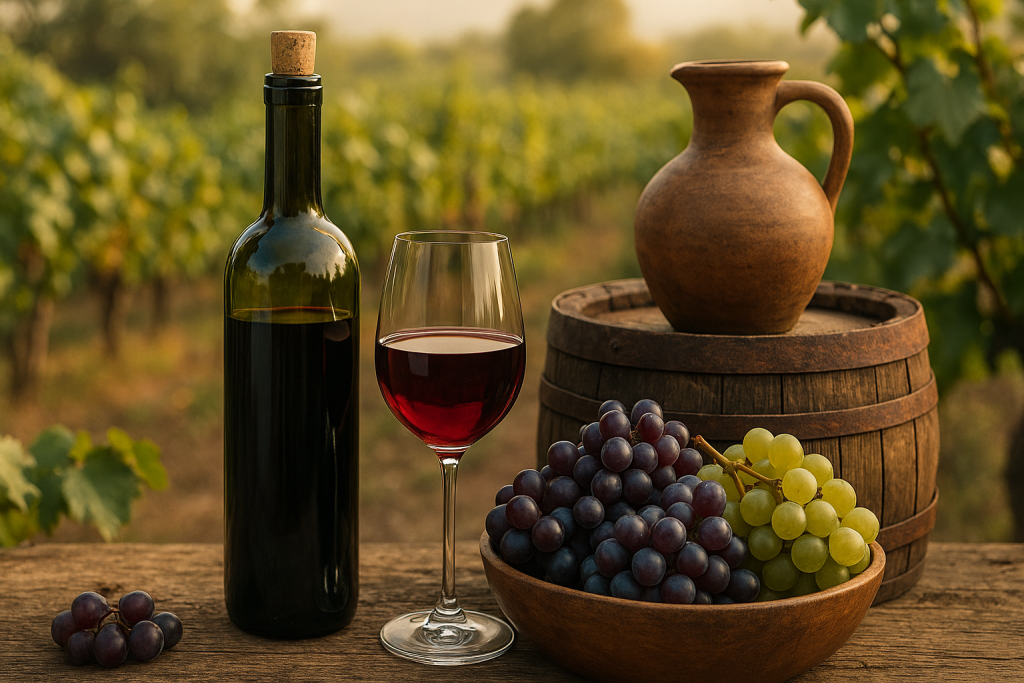
Wine is the most consumed alcoholic beverage after beer. It is essentially fermented fresh grape juice. Wine is also produced in every country that can produce grapes, and in some places, grapes are produced only for wine. Winemaking is actually very simple, because the natural yeast found in grape skins turns into alcohol by itself and turns into wine. Making quality wine, on the other hand, is a job that requires expertise, from the cultivation of the grape vine, to the minerals of the soil, and to the containers used.
Grapes are one of the most diverse fruit species. The homeland of grapes is Anatolia and the Caucasus. Anatolia has the oldest and most deep-rooted viticulture culture. There are thousands (10 thousand?) of grape varieties in the world. It is thought that there are about 1200 in Anatolia, but very few of them are suitable for winemaking.
Wine production is under state control in many countries. In countries such as France, Germany and Italy, vineyards are divided into regions according to various climate and soil characteristics, and these regions are also classified separately among themselves according to microclimate, soil and other characteristics (chateau). Naming rights are protected by law, and even the number of liters of wine to be produced per acre is clearly stated.
France is the world leader in the production of quality wine, while Italy is the world leader in the production of the most wine.
White wine is made from both white and black grapes, but red wine is made only from black grapes.
Considering the ecological conditions in Turkey, viticulture can be done everywhere except a few provinces and high plateaus in Eastern Anatolia.
According to OIV data, Turkey is 4th in the world in vineyard areas, 5th in fresh grape production and 2nd in the world in dried grapes. While 90 percent of the grapes produced in Spain, Portugal and Italy are turned into wine, this rate unfortunately remains at 2 percent in Turkey.
Some varieties used in wine production;
White Grapes: Chardonnay, Emir, Hasandede, Muscat, Narince, Riesling, Sauvignon Blanc, Semillon, Sultaniye, Vasilaki and Yapıncak,
Red Grapes: Adakarası, Alicante Bauschet, Boğazkere, Cabernet Sauvignon, Carignan, Cinsaut, Çalkarası, Gamay, Greache, Kalecik Karası, Karasakız, Merlot, Öküzgözü, Papaz Karası, Sangiovese and Şiraz.
Some of our internationally accepted grape varieties are: Öküzgözü (Elazığ), Çalkarası (Denizli), Boğazkere (Elazığ), Kalecik Karası (Ankara), Ada Karası (Balıkesir), Papaz Karası (Kırklareli).
Wine Types:
According to sugar content:
- Dry Wine: contains the least amount of sugar,
- Medium: slightly sweet wine,
- Sweet.
According to color: 1. White, 2. Rose-rose, 3. Red wine
WINE IN ANATOLIA
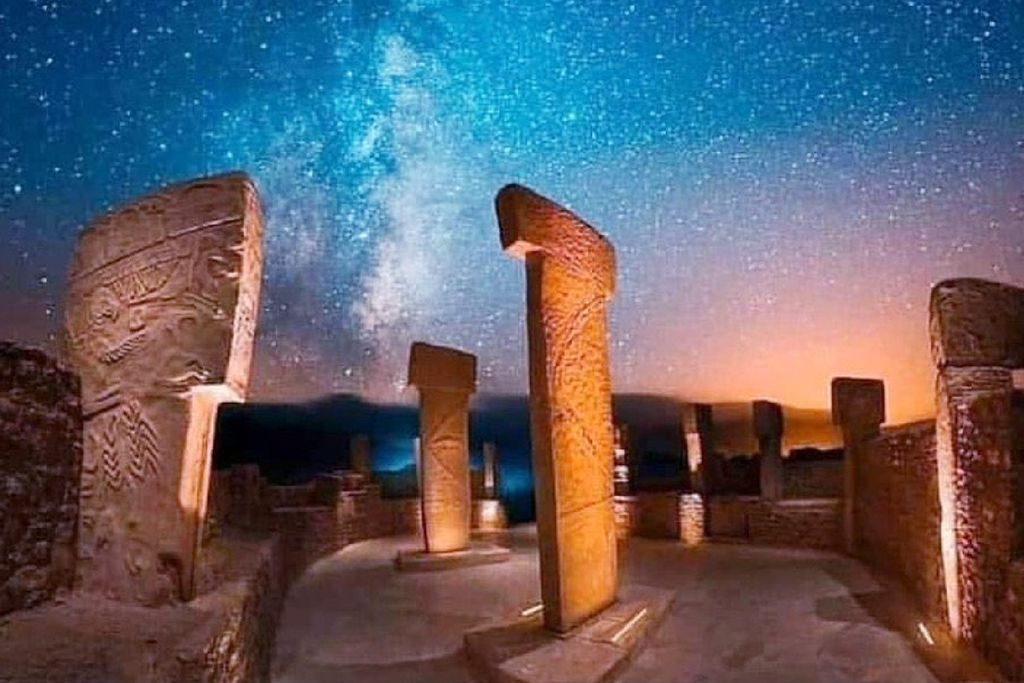
- The history of wine begins with the history of humanity. Wine culture in Anatolia dates back to 8000 BC.
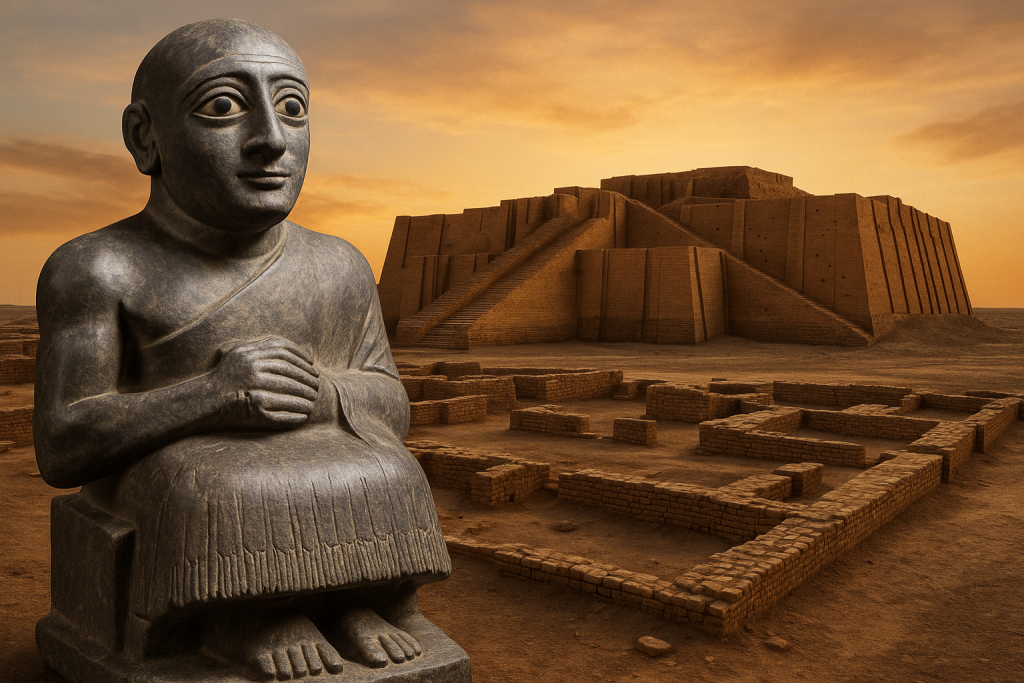
- In the Sumerian epic of Gilgamesh, wine brings Gilgamesh’s friend, the wild Enkudi, to his senses, together with a woman.
In Anatolia, the viticulture and winemaking of the Urartians were very advanced.
In the Hittites, wine was the drink of the gods.
Wine probably affected ancient people much more than it affected us
HITTITES
- They were especially advanced in bread making. It is thought that they were good at winemaking because they made many different types of bread and therefore knew how to ferment well.
- According to Hittite religious belief, drinking wine in front of the Gods meant identifying with that God and “taking him in”.
- In Hittite funeral ceremonies, after the body was burned, the pile of embers was extinguished with beer and wine.
- In Hittite written texts, the same word for grape, vine and wine appears as WİYANA¬, the Hittite pronunciation of the Sumerian ideogram Gestin. This word survives in Indo-European languages as wine, vino, wein.
- Numerous wine pitos with a capacity of 900 to 1750 liters were found in Hattusa.
- The Hittites mention various types of wine; fresh wine, aged wine; sour wine, sweet wine, good wine, clean, pure wine; red wine, etc.


GREEKS, ROMANS
- Dionysus invents wine in a cave. Grapes that come out of the ground under the sun are crushed and become wine. When they become wine, the grapes are resurrected. Wine represents resurrection in a sense.
- Wine was fermented in PITHOS (jars) and then stored in AMPHORAs with sharp bottoms. Wine was mixed with water like today’s raki.
- The best wine was produced in Samos and Chios, and the worst in Korinth.
- The Greeks never drank beer, and they mixed wine with water. The typical question asked when buying wine was: “Can it handle 3 measures of water?” However, this ratio was mocked as “frog wine”.
- The Greeks and Romans poured wine (and olive oil and honey) on graves as sacrificial offerings.
- The hero of the Battle of Salamis (480 BC), Themistokles, was rewarded with 5 cities by the Persian King Artaxerxes when he escaped from Athens. He was given the city of Lampsakos (Lapseki) for wine. (Others: Magnesia for bread, Myus for meat, Perkote and Palaiskepsis in Troas for clothing and beds)
- Wine was also involved in the establishment of theaters: In the 7th century BC, when it became a tradition to hold dancing celebrations in a circular area to thank the wine god Dionysus for the beautiful products and wines he gave, theaters were formed.
- Ganymedes was the most beautiful of mortals and one of the 3 sons of the King of Troy. Zeus kidnaps the boy from Mount IDA. He takes him to Olympos. Ganymedes becomes the wine server to the gods with the bucket in his hand.
- Wines were flavored with spices in Rome, and the black pepper wine called vinum piperatum or conditum (peppery – spicy) was very popular.
- In Romans, during the funeral ceremonies called Parentalia held in February, fruits, bread softened with wine and flowers were left on graves.
- According to Plutarch, when Marcus Antonius came to Ephesus with Cleopatra, he was dressed as Bacchus, the God of Wine. When the people of Ephesus saw this, they went crazy with joy and poured red wine on the ground.
- Herodotus belittles the Persians because they did not drink wine: “They do not know how to drink wine; their drink is water; they have no figs or anything else to sweeten their mouths”. (Herodotus 1-71)
- Dionysus- Bacchus- God of Wine, in some myths, dies by being torn apart, this torn apart symbolizes the trampling of grapes with the feet to produce wine.
- Icarios- Icarius: He is the person who learned how to grow grapes and make wine from Dionysus. (The person who flies to the Sun with waxed wings is Icarus-Icarus.)
WINE IN ABRAHAM RELIGIONS
Torah:
- Noah started farming and planted a vineyard (Genesis 20).
- And he drank from its wine and became drunk and became naked in his tent (21)
Bible:
- Jesus turned water into wine: “During a meal, Jesus took bread in his hand and said, “This is my body” (John 2:1-11)
- Then he gave a cup of wine to his disciples and said, “Drink from it, all of you, for it is my blood” (Matthew 26:27-28)
- “Now stop drinking only water; “Drink some wine for your stomach and for your frequent illnesses” (Paul to Timothy in 1 Timothy 5:23)
- Just before he died, Jesus was given wine mixed with vinegar to drink (John 19:28).
The Quran: Verses where wine is mentioned (Yaşar Nuri Öztürk translation):
- “From the fruits of the palm trees and from the grapes you will get an intoxicating drink and a good provision. In that is a sign for people who use their intellect” (Nahl-67)
- “O you who have believed! Do not approach prayer/supplication while you are drunk until you know what you say, and do not approach prayer while you are impure, except when you are on a journey, until you have taken a full ablution. (Nisa-43)
- Two other young men were in prison with him. One of them said, “I saw in a dream I was pressing wine.” The other said, “I saw that I was carrying bread on my head and the birds were eating from it. Tell us the interpretation of this. We believe that you are one of those who think and act rightly.” Yusuf -53
- The state of the paradise promised to those who fear Allah is as follows: In it are rivers of water that does not deteriorate, rivers of milk that does not deteriorate, rivers of wine that is delicious to those who drink it, and rivers of pure honey. And therein they will have every kind of fruit, and forgiveness from their Lord. Can the one who is in this bliss be the same as the one who is in a fire continuously, and whose intestines are torn apart by the hot water he is given to drink? (Muhammad -15)
- O you who believe! Intoxicants/wine, gambling, stones set up for worship, and divining arrows are all filth from Satan; so stay away from them that you may be successful. (Maidah -90)
SOME WORDS
- Beer was created by humans, wine by gods. Martin Luther (16th century)
- Life is too short to drink bad wine. Wolfgang von Goethe (?). (18th century)
• “Penciline heals, but good wine makes people happy”. Alexander Fleming (1881-1955 inventor of penicillin)