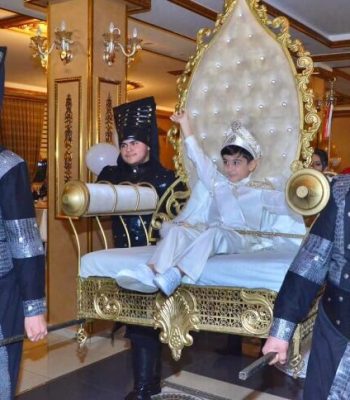
A circumcision ceremony is a traditional Islamic celebration marking a boy's entry into manhood, usually held around age 6–7. It includes the medical procedure followed by festivities with music, food, and guests. The child, honored on a special throne, receives gifts and well wishes. This event reinforces family and community unity and is a major life milestone.
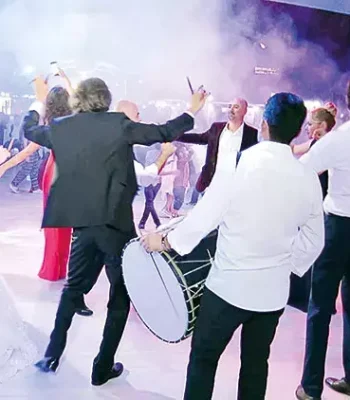
Halay dancing at weddings symbolizes unity, joy, and cultural heritage in Turkish society. It brings people together to celebrate, share happiness, and strengthen social bonds. As a traditional folk dance, halay helps preserve cultural identity, adds excitement to weddings, and provides fun for participants, making it a meaningful part of Turkish celebrations.
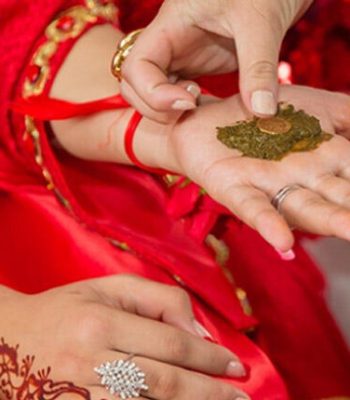
Henna night is a traditional pre-wedding celebration in Turkish culture where the bride, her female friends, and relatives gather for music, dance, and henna application. Held by the bride’s family, the event includes food, gifts, and games. Henna symbolizes blessings, joy, and health, making the night a meaningful step into marriage.
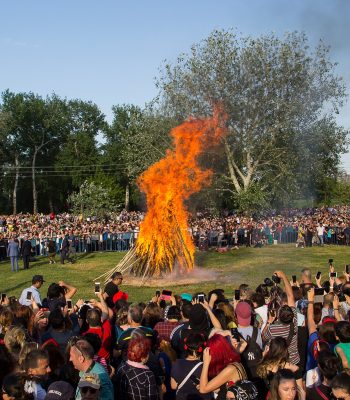
Hıdrellez, celebrated on May 6–7, marks the arrival of spring in Turkish culture and honors the meeting of Hızır and İlyas. Associated with abundance, health, and fulfilled wishes, it features rituals like lighting fires, making prayers, and picnicking. Hıdrellez strengthens social unity and is a joyful celebration of renewal and hope.
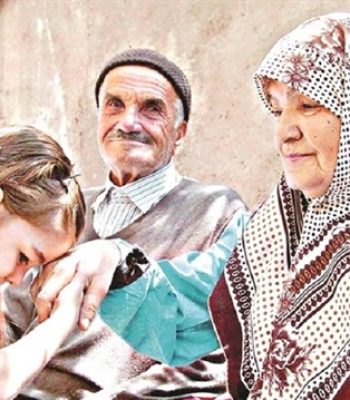
Kissing the hand and placing it on the forehead is a traditional Turkish gesture showing deep respect, gratitude, and affection, especially toward elders or respected individuals. Common in family, hospitality, and mentor-student relations, this custom expresses sincerity, values wisdom, and strengthens social bonds, reflecting key principles of Turkish cultural and social behavior.
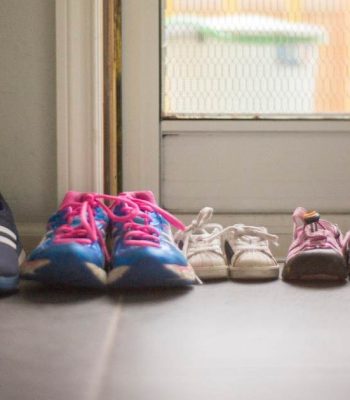
Leaving the shoes of the deceased at the door is a Turkish tradition symbolizing respect and remembrance. It reflects the belief that the spirit may return and needs its shoes to enter. This practice honors the memory of the dead, offering peace for the soul and preserving their presence within the household or community.
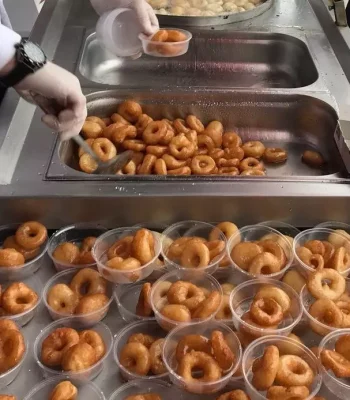
Lokma distribution is a meaningful Turkish tradition symbolizing charity, prayer, and social unity. Sweet fried dough is prepared and shared in public places on special occasions like weddings, funerals, or holidays. Accompanied by prayers and good wishes, lokma aims to spread blessings, strengthen community bonds, and honor loved ones with acts of kindness.
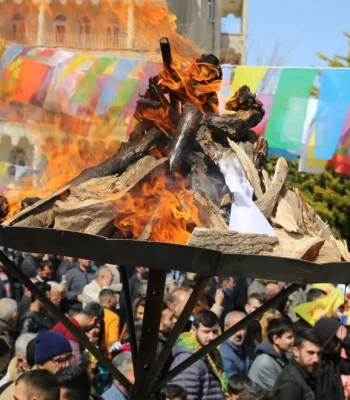
Newroz, celebrated on March 21, marks the arrival of spring and symbolizes unity, renewal, and freedom in Turkish culture. Observed with music, dance, traditional foods, and the lighting of fires, it brings communities together in joyful rituals. Newroz also reflects cultural identity and solidarity, often celebrated with vibrant gatherings, performances, and symbolic messages.

Offering cologne is a cherished Turkish tradition symbolizing hospitality, cleanliness, and refreshment. With its antiseptic and pleasant-smelling properties, cologne is offered to guests upon arrival or during visits. This gesture reflects respect and care, helping guests feel welcomed and comfortable, and continues as a valued custom in Turkish social and cultural life.
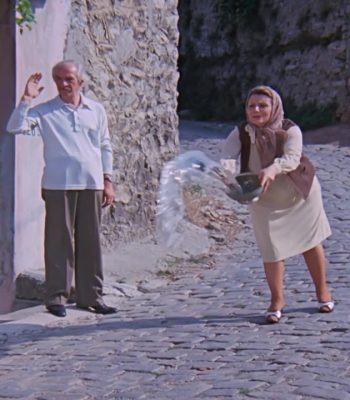
Pouring water behind someone going on a journey is a meaningful Turkish tradition symbolizing prayers for safety, abundance, and protection. Water represents smooth travel and a safe return. Often practiced at farewells, weddings, or military send-offs, this custom reflects love, respect, and the deep social bonds within Turkish culture.
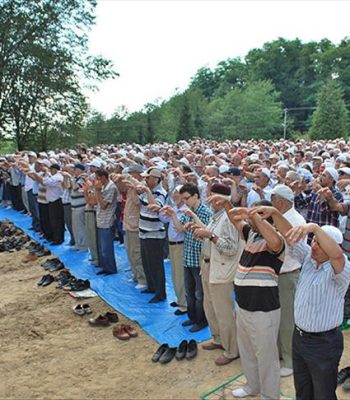
Praying for rain is a traditional Turkish ritual rooted in agricultural life and cultural beliefs. It seeks rain for abundance, healthy crops, and protection from drought. Beyond its religious aspect, it fosters social unity and reflects the symbolic meaning of rain as mercy and life, helping preserve natural balance and community well-being.
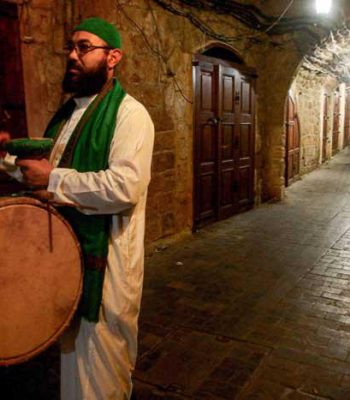
Ramadan drummers are a cherished tradition in Turkish culture, waking people for sahur during Ramadan by playing drums in the streets. Dressed in Ottoman-style clothing, they perform marches and recite prayers. Their role strengthens community spirit and the month’s spiritual atmosphere. In return, drummers often receive small donations from appreciative households.
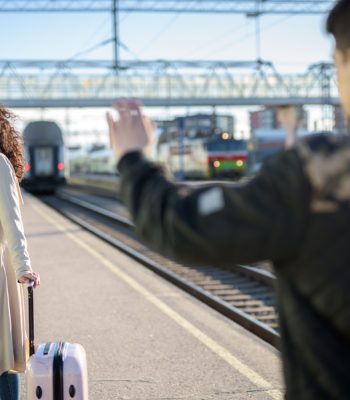
In Turkish tradition, seeing off and welcoming pilgrims are meaningful rituals that highlight spirituality and social unity. Pilgrims are sent off with prayers, gatherings, and blessings, often including sacrifices. Upon return, they are warmly welcomed by family and friends, share their experiences, and are celebrated for completing this sacred journey, reinforcing communal and spiritual bonds.
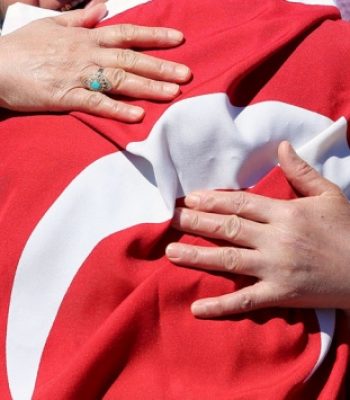
In Turkish culture, soldier farewell ceremonies honor the importance of military service. Families organize emotional send-offs with prayers, supportive gatherings, and meaningful gifts. The recruit often appears in uniform, symbolizing duty and pride. These heartfelt events strengthen family bonds, mark a rite of passage, and reflect deep respect for national service and tradition.

In Turkish culture, taking off shoes before entering the house is a sign of respect and cleanliness. It helps keep carpets and floors clean and reflects traditional hospitality toward guests. This widely practiced custom emphasizes hygiene, care for the home, and respect for both the household and those who enter it.
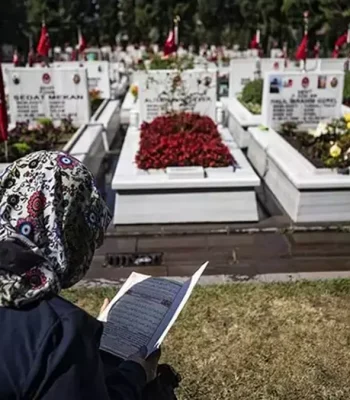
Visiting tombs is a meaningful tradition in Turkish culture, symbolizing respect, remembrance, and spiritual connection with the deceased. Often done on religious holidays, Fridays, or death anniversaries, it includes prayers, Quran recitation, and reflection. This practice honors loved ones, keeps their memory alive, and expresses hopes for their peace in the afterlife.