
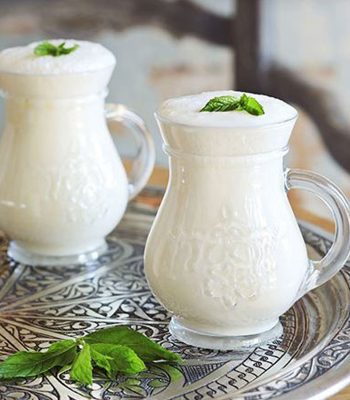
Ayran is a traditional Turkish drink made from yogurt and water, often with added salt. Commonly consumed cold, especially in summer, it refreshes and supports digestion due to yogurt's probiotics and proteins. Typically made from lamb or goat milk yogurt, ayran pairs well with meat dishes like kebabs and is valued for its natural and hydrating qualities.
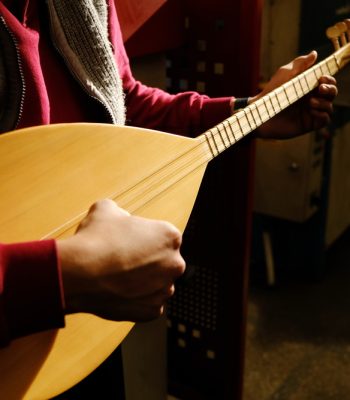
The baglama is a traditional Turkish stringed instrument with a rounded body and three pairs of strings. It’s essential in Turkish folk music, used both for solos and accompaniment. Found in weddings, concerts, and everyday settings, it comes in types like cura and electric baglama. It deeply symbolizes cultural heritage and emotional expression in Turkish tradition.
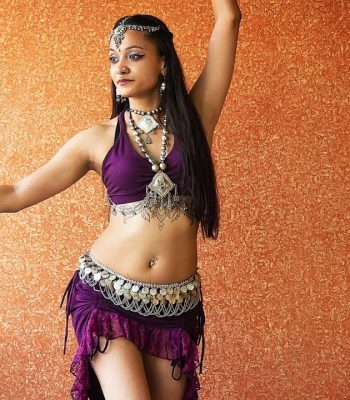
Belly dance, rooted in Middle Eastern and Central Asian traditions, is a rhythmic art form highlighting female grace and beauty. Popular in Turkish culture since the Ottoman era, it features elegant movements and striking costumes. Often seen at weddings and celebrations, it symbolizes femininity, cultural heritage, and continues to thrive as both art and entertainment.
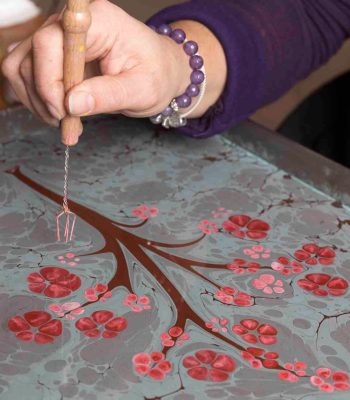
Marbling is a traditional Turkish art form using ink on water, where patterns are created with a horsehair brush and transferred to paper or fabric. Practiced since Ottoman times, it reflects harmony with nature and the artist's skill. Still preserved today, marbling symbolizes creativity and aesthetics, holding a valued place in both Turkish and global art.
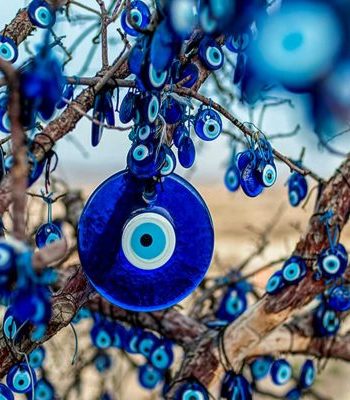
The evil eye bead is a traditional Turkish talisman believed to protect against negative energies and harmful gazes. Usually blue with white and black patterns, it's used in homes, jewelry, and gifts. Seen as a shield against jealousy and misfortune, it holds deep cultural significance and remains a common symbol in Turkish daily life.
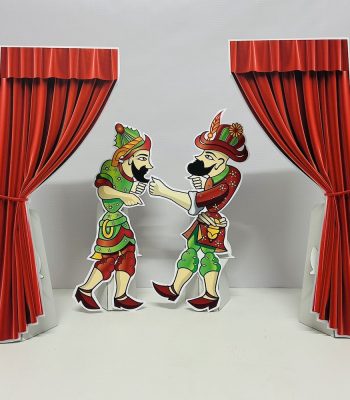
Karagöz and Hacivat are iconic shadow play characters in Turkish culture. Karagöz is naive and humorous, while Hacivat is smart and articulate. Their dialogues reflect daily life with wit and humor. Traditionally performed during Ramadan, these plays mix entertainment and wisdom, preserving a beloved cultural heritage passed through generations.
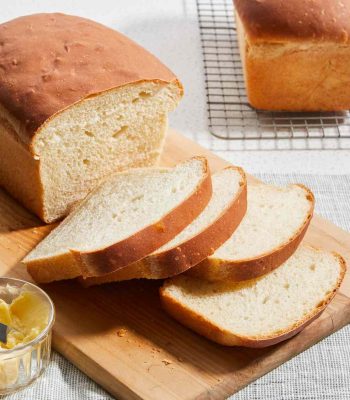
In Turkish culture, bread is seen as a sacred symbol of life and abundance. It’s treated with deep respect—often kissed or placed on the head to show gratitude. Traditions like praying over bread and keeping it in special places highlight its cultural value, going beyond nutrition to reflect honor and appreciation.

Maraş ice cream, traditionally from Gaziantep's Maralı region, is made with goat milk, salep, and natural ingredients. Known for its thick and smooth texture, it’s a refreshing summer dessert. Popular across Turkey, it’s considered a cultural heritage and is still produced using traditional methods, preserving its unique flavor and regional identity.

Mustafa Kemal Atatürk, founder of modern Türkiye, is honored as a national hero who led the War of Independence and established the Republic. He championed secularism, education, reforms, and women’s rights. Seen as a visionary and defender of freedom, Atatürk symbolizes patriotism, democracy, and modern values deeply rooted in Turkish cultural identity.
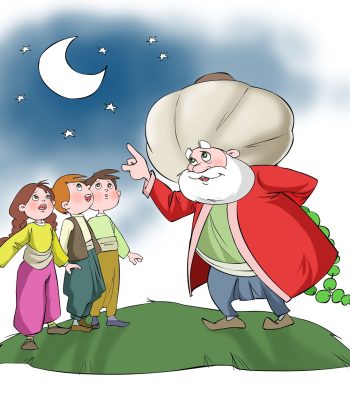
Nasreddin Hodja is a beloved figure in Turkish folklore, known for his wit, humor, and clever stories. Though fictional, his tales have been shared for centuries, offering lessons through satire and irony. Reflecting human nature and social life, his jokes remain relevant today, teaching wisdom and humor in Turkish culture and daily conversations.
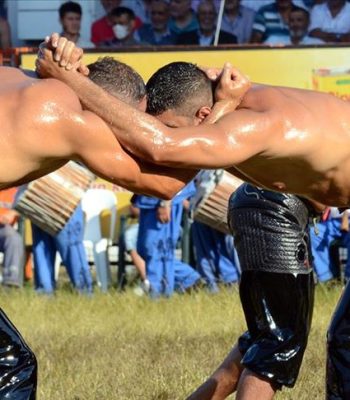
Oil wrestling is a traditional Turkish sport held mainly in summer, where wrestlers cover their bodies with olive oil or fat. This makes the match more challenging and demands unique techniques. Organized as cultural festivals, events include music and rituals. It symbolizes unity, tradition, and strength, deeply rooted in Turkish social and cultural life.
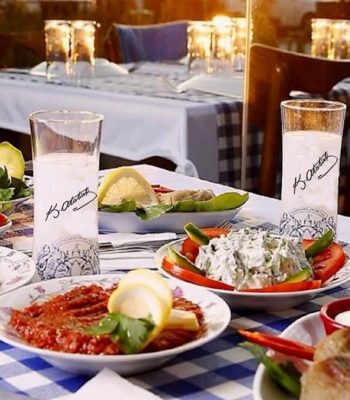
Raki is a traditional Turkish alcoholic drink made from distilled grapes and flavored with anise. Usually mixed with water, it’s served with fish and appetizers, often during long meals and conversations. Raki symbolizes friendship, celebration, and social bonding. More than a drink, it represents a cherished ritual and cultural tradition in Turkish society.
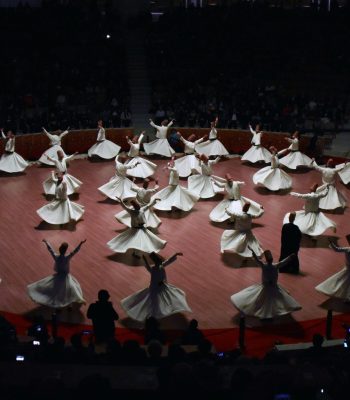
Sema, rooted in the Mevlevi tradition, is a spiritual dance symbolizing dervishes’ journey toward divine love and unity. Performed with rhythmic turns and flowing skirts, it reflects detachment from the material world. Featuring music, ritual attire, and deep symbolism, sema is both worship and meditation, offering a profound spiritual experience in Turkish culture.
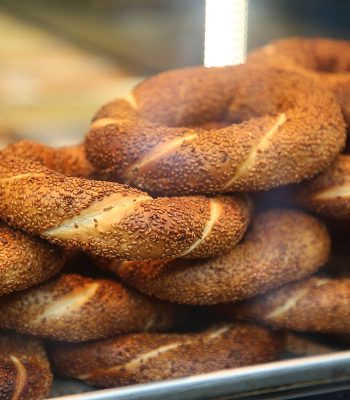
Simit is a traditional Turkish snack, ring-shaped and covered in sesame seeds, often eaten at breakfast or with tea. Known for its crispy crust and soft interior, it's sold by street vendors and in shops. A cultural icon, simit is tied to daily life, offering a social moment shared with tea and conversation.
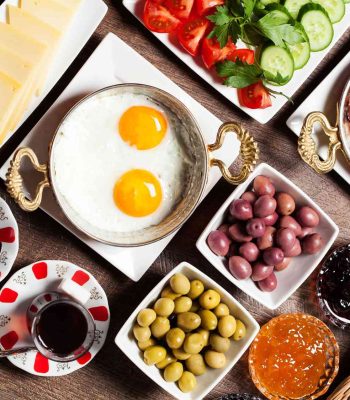
Turkish breakfast is a rich, social meal enjoyed with family or friends. It includes cheese varieties, olives, tomatoes, cucumbers, fresh greens, jams, honey, and different breads like simit or poğaça. Tea is the main drink. More than a meal, it’s a cultural ritual symbolizing hospitality, togetherness, and a healthy, joyful start to the day.
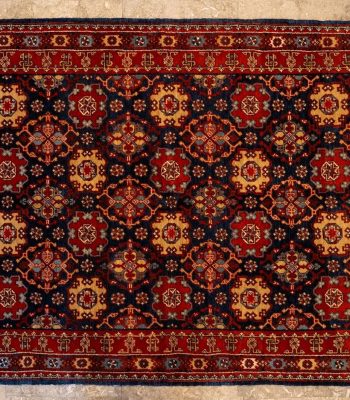
Turkish carpets are traditional hand-woven works made with wool, silk, or cotton, featuring unique patterns and vibrant colors. Known for their regional styles and craftsmanship, they serve both decorative and ceremonial roles. Symbolizing wealth and heritage, Turkish carpets are used in homes and cultural events, representing artistic, aesthetic, and cultural values in Turkish culture.
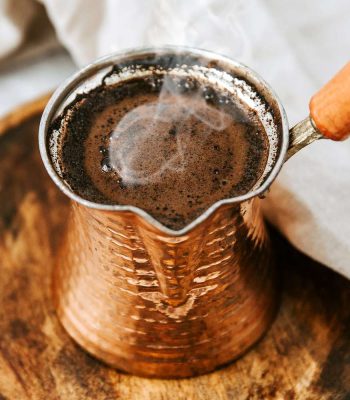
Turkish coffee is a traditional and aromatic drink, prepared by brewing finely ground coffee with water. Served in small cups with foam, it holds cultural significance in social gatherings, guest hosting, and special events. Often enjoyed with Turkish delight, it’s also linked to fortune-telling rituals, symbolizing hospitality, connection, and lasting memories in Turkish culture.
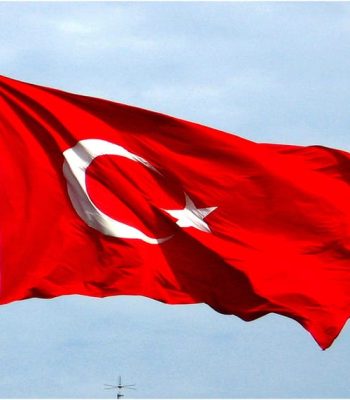
The Turkish Flag, featuring a red background with a white crescent and star, symbolizes national identity, history, and unity. Red stands for courage and independence; white reflects peace and purity. The crescent and star embody cultural and spiritual values. Deeply respected, the flag represents Türkiye’s struggle, pride, and the unity of its people.
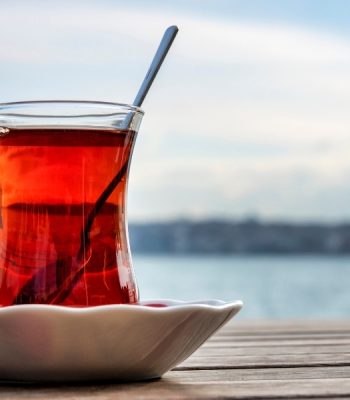
In Turkish culture, tea is more than a drink—it’s a social tradition. Brewed in teapots and served in thin-waisted glasses, tea strengthens friendships and hospitality. Offered during visits and gatherings, it’s central to daily life. Tea symbolizes warmth, conversation, and connection, making it a beloved ritual across all segments of Turkish society.
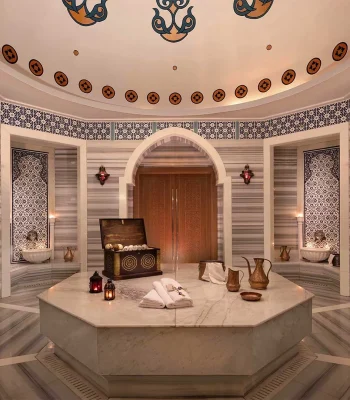
The Turkish bath, or hamam, is a traditional bathing ritual rooted in Ottoman culture, combining hygiene, relaxation, and social interaction. It includes cold, warm, and hot sections, offering both physical and spiritual cleansing. Common in weddings and holidays, hamams reflect architectural beauty and remain a cherished cultural experience for locals and tourists in Türkiye.
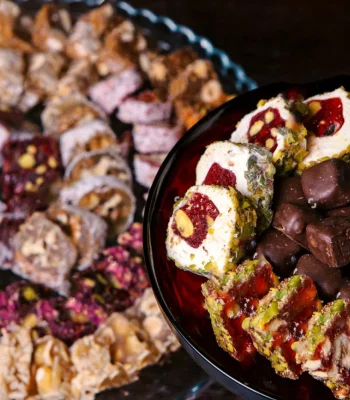
Turkish delight is a traditional sweet from Ottoman cuisine, made with starch and sugar syrup, often enriched with nuts or flavorings. Varieties like tahini Turkish delight add regional richness. Enjoyed with tea or coffee and shared on special occasions, it’s a beloved gift and symbol of hospitality in both Turkish culture and tourism.
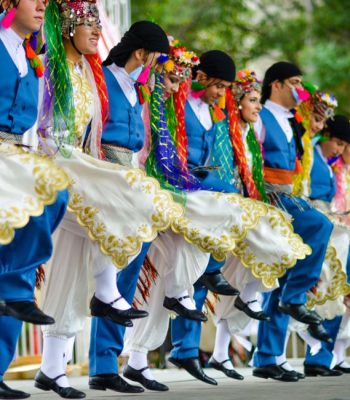
Turkish folk dances are region-specific group dances that reflect local traditions, nature, and lifestyles. Performed at weddings, festivals, and special events, they combine vibrant costumes, music, and rhythmic movements. Each dance tells a story or expresses a theme. These dances strengthen social bonds and represent the rich cultural identity and joy of Turkish communities.
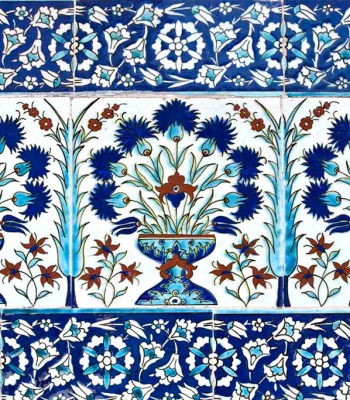
Turkish tile art, originating from Central Asia and developed in Anatolia, features geometric patterns, floral motifs, and calligraphy. Flourishing during the Ottoman era, tiles adorned palaces, mosques, and mansions. Crafted with precision by skilled artisans, tile art remains a valued cultural symbol and continues to inspire modern designs with traditional patterns and techniques.